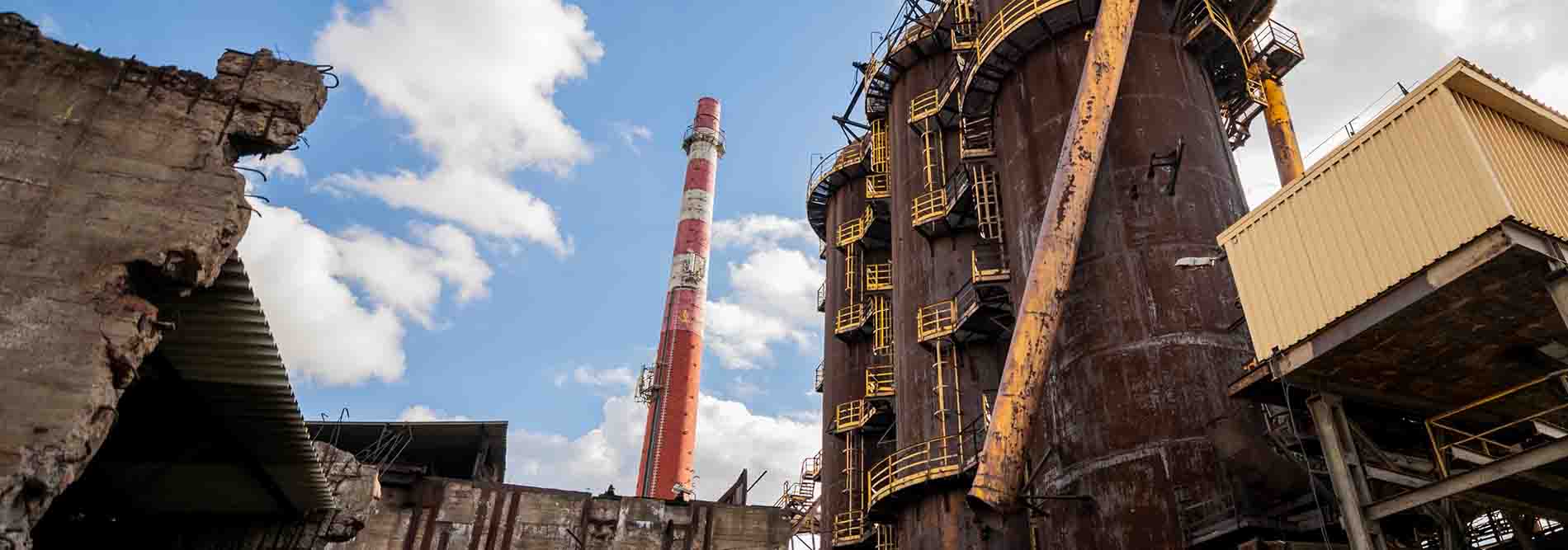
What Is In-Situ Remediation?
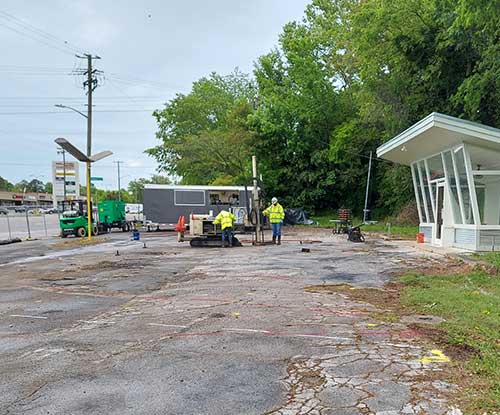
In-situ remediation is the treatment of contaminated soil and groundwater in place, without excavation or off-site disposal. Reactive amendments are injected or blended directly into the subsurface, where they destroy or immobilize contaminants at the source. Compared to dig-and-haul or pump-and-treat approaches, in-situ methods are typically faster, less disruptive, and more cost-effective — which is why they’ve become the preferred remedy for chlorinated solvents, petroleum hydrocarbons, PFAS, and other contaminants at sites ranging from brownfields to active industrial facilities.
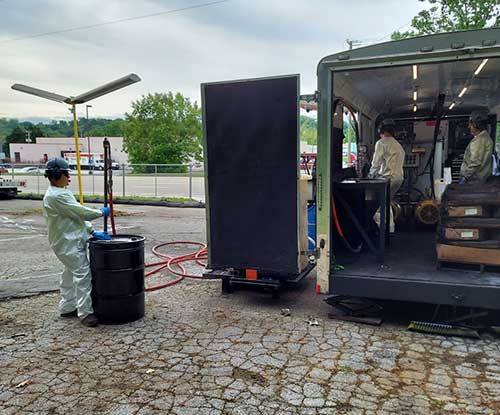
What’s Included in Our In-Situ Remediation Services?
Whether you’re dealing with chlorinated solvents, petroleum hydrocarbons, heavy metals or emerging contaminants, our remediation services includes everything you need to move your site toward closure.
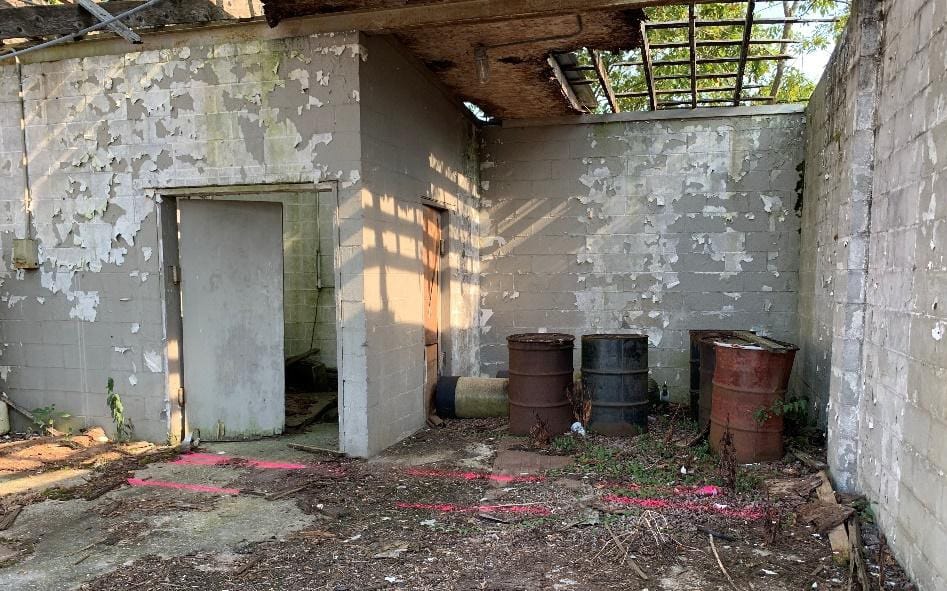
- Site assessment and contaminant profiling
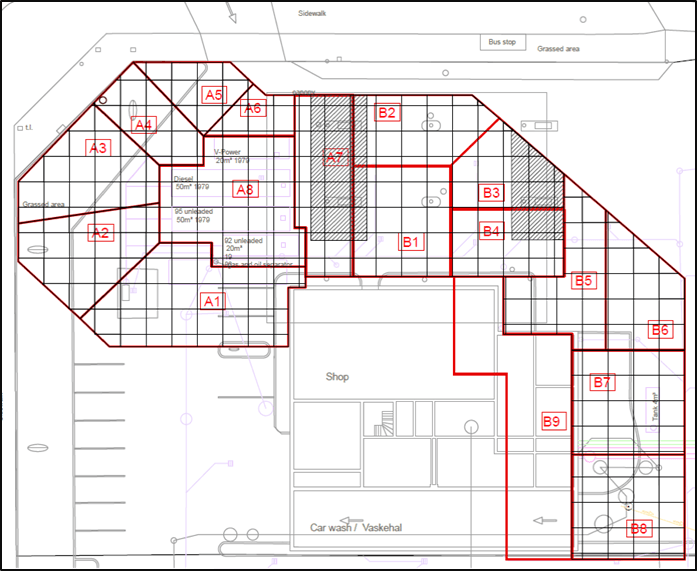
- Remedial design support (including modeling of historical and current data integration)
- Technology and dosing recommendations
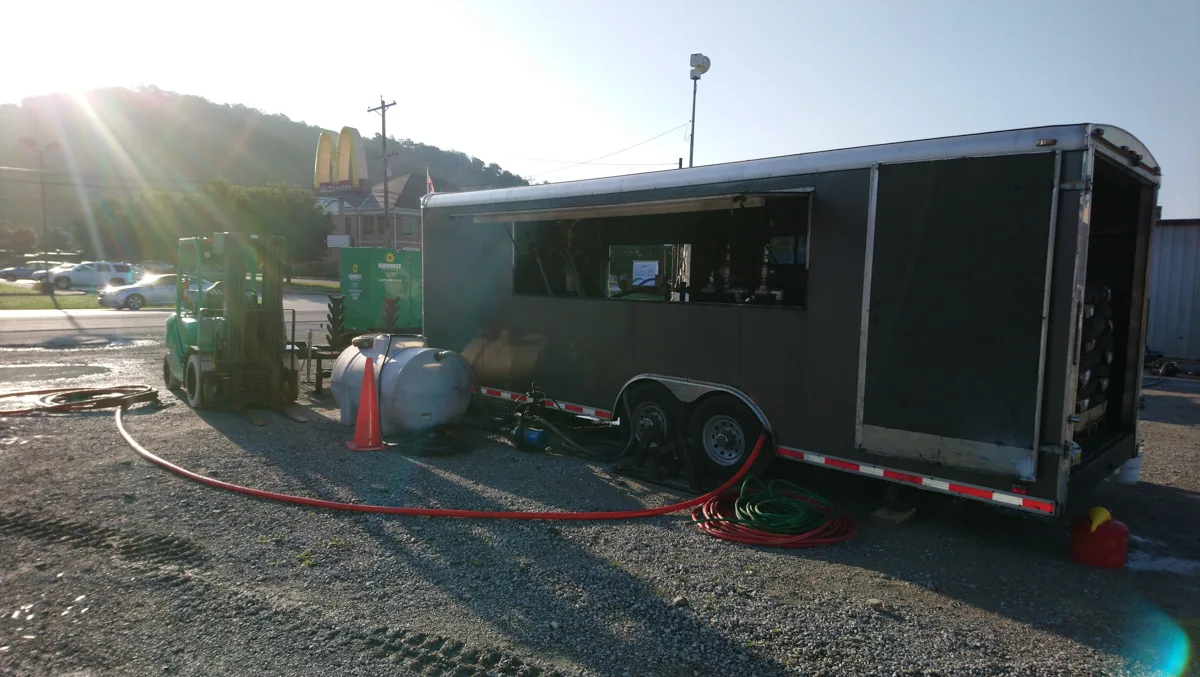
- Product delivery and application guidance
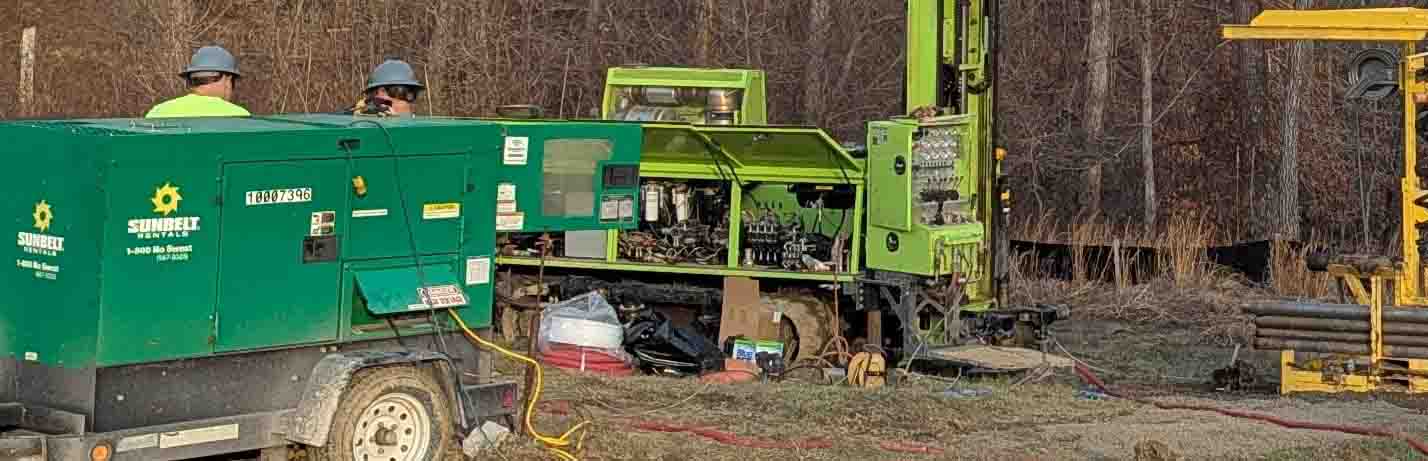
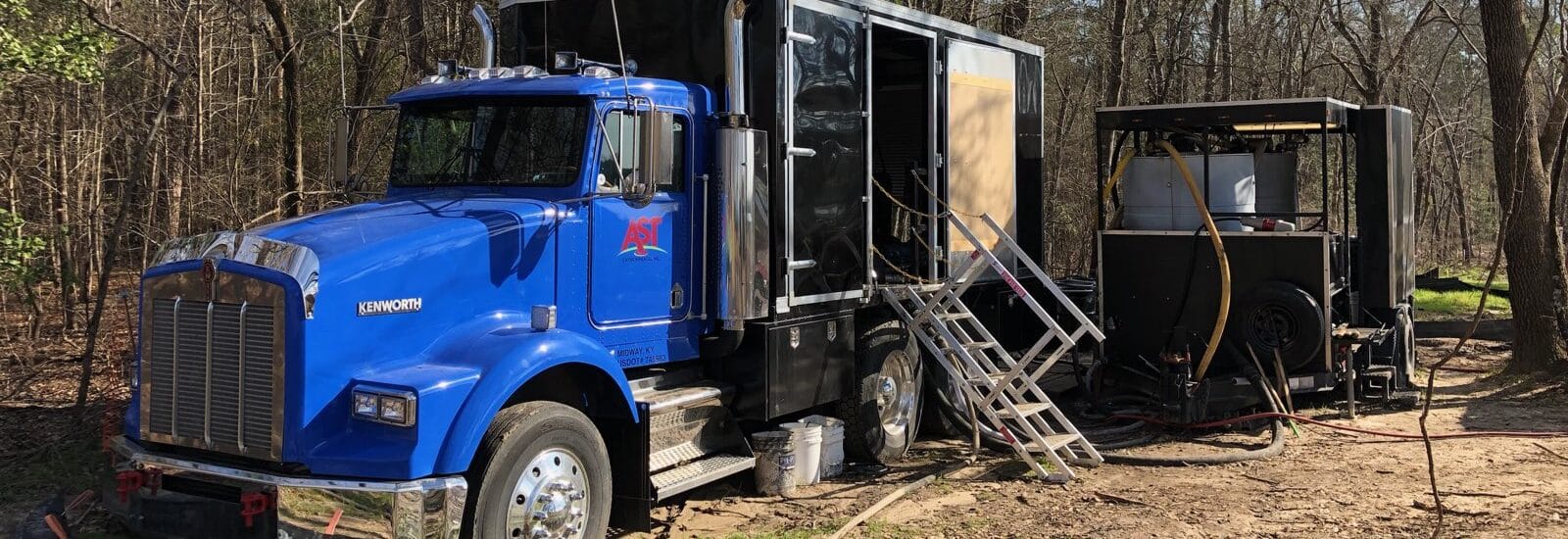
- Field implementation support (including on-site AST personnel, if needed)
- Post-injection performance modeling
- Performance monitoring strategy (optional follow-up evaluations)
- Documentation for regulatory submittals
Everything we do is designed to integrate seamlessly with your existing remediation strategy.
Why In-Situ Remediation Works Better
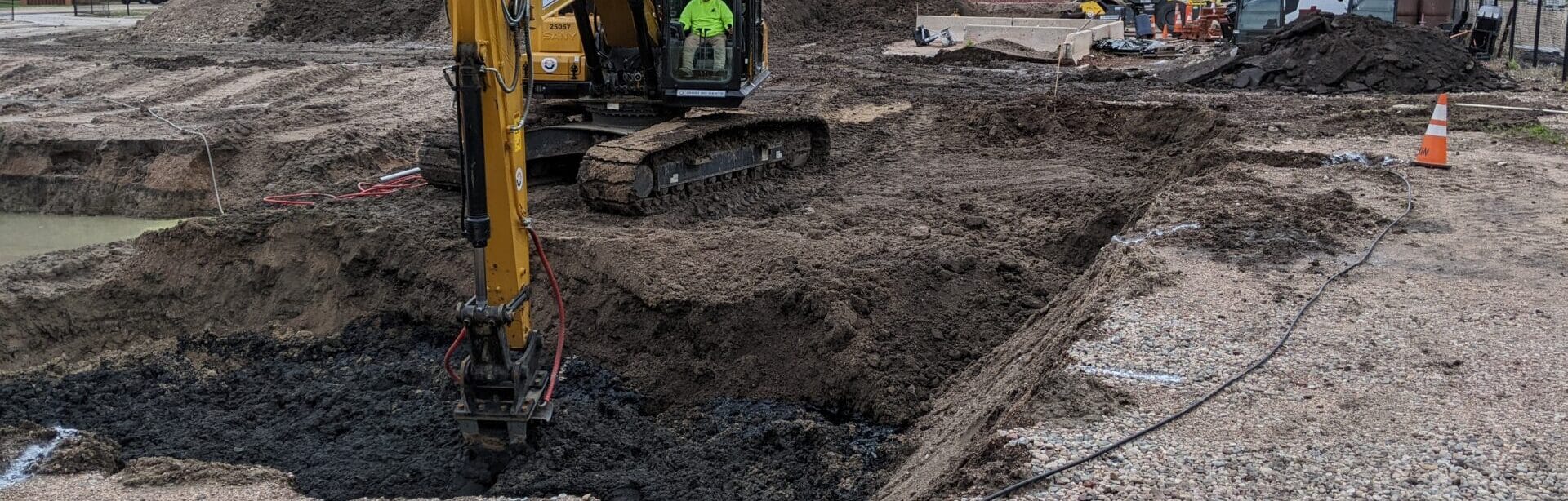
In-situ remediation allows you to treat contamination at the source, reducing the need for invasive remediation means like excavation and off-site disposal (T&D), long-term operation and maintenance (O&M) of mechanical systems, and potential exposure risks through overland transport pathways (e.g., dust, vapor, leaks).
Our solutions are:
Targeted: Custom chemistry designed for your site’s geochemistry and contaminant profile
Economical: Lower total project costs by avoiding disruptive excavation or pump-and-treat cycles. Truncated remediation schedules equal lower total costs.
Fast-acting: Reactive materials like the Trap & Treat® products begin degrading contaminants on contact
Regulator-approved: Trusted across hundreds of sites at the international, federal, and state-managed cleanup scale
Scalable: Effective in tight urban footprints, remote sites, and complex differentiated geology
Safer: Minimizes risk to workers and the public by eliminating the need for invasive and disruptive measure
The result? Accelerated time to closure, stronger regulator confidence, and fewer surprises